
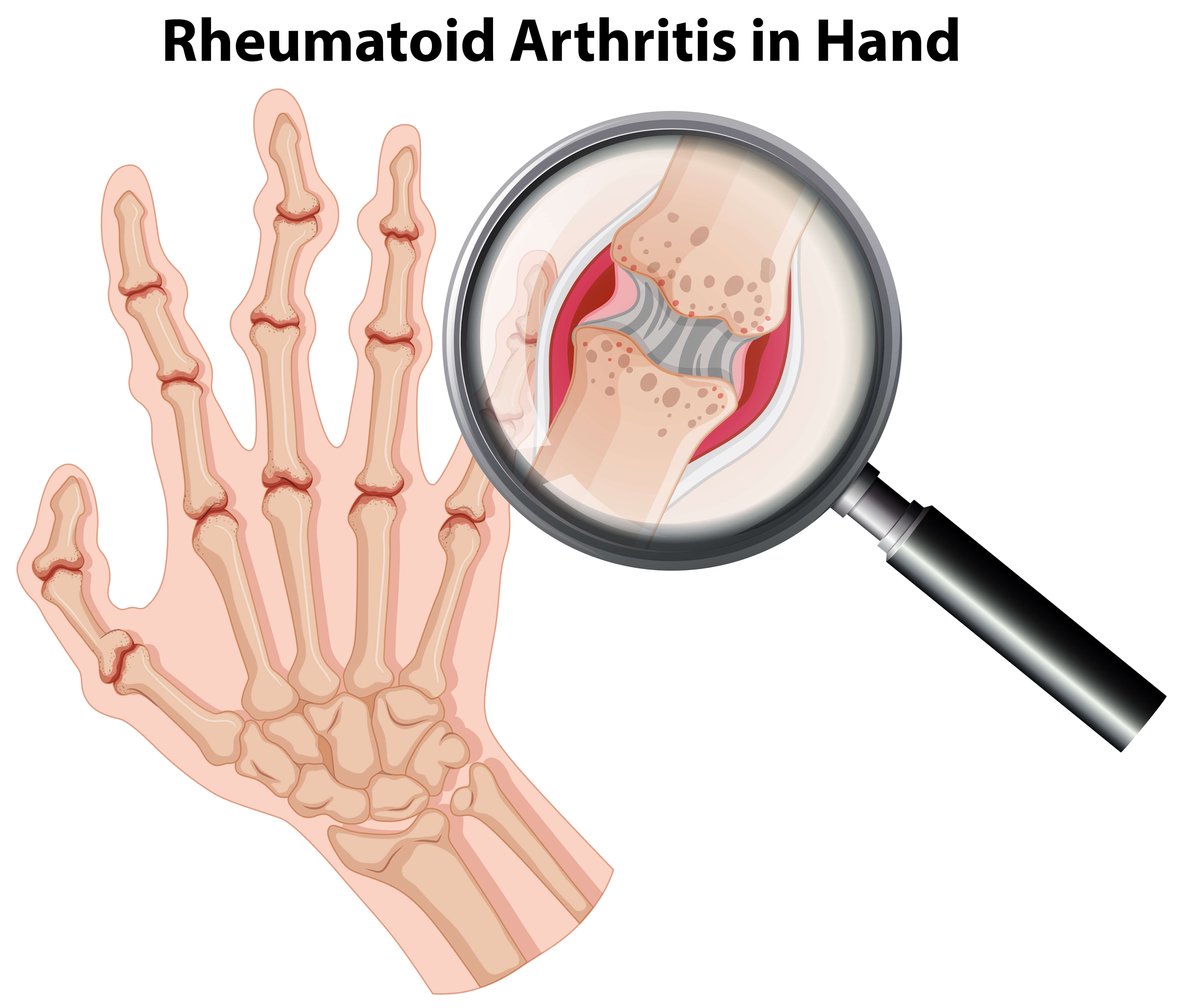
Rheumatoid Arthritis: How Early Treatment Can Prevent Joint Damage
A lot of people got diagnosed with rheumatoid arthritis today. It is one of those conditions where the link between early treatment and how much joint damage it can prevent is something most people never really think about. Most people who receive this diagnosis carry on without realizing how much the timing of treatment matters.
Joint stiffness, swelling, tenderness without any clear reason. Morning stiffness that takes too long to settle, joints that are swollen and tender without any obvious reason. All these signs are easily ignored and put down to ageing or overuse. Fatigue that rests never settles. All of this gets easily brushed aside. What feels like general joint pain might actually be rheumatoid arthritis. And what seems like something that will pass on its own might just be something that needs proper attention before the window for early treatment closes.
Today, let us understand rheumatoid arthritis and how early treatment can prevent joint damage so that every person can manage it correctly before time and avoid any uncertain circumstances.
The Window That Most People Miss
Things have usually already gotten worse by the time anyone actually finds out. People usually carry on without connecting the early signs to anything serious. But if it goes too long, without the right treatment, the damage just builds up. And that kind of damage stays; it doesn't really reverse.
Early signs matter more than people think. Won't undo what's already happened. But can stop it from getting worse than it must.
What Rheumatoid Arthritis Actually Is
It's an autoimmune condition; that's the short version. For some reason, the immune system starts attacking the lining of the joints, treating healthy tissue like it's something to be fought off. It is one of those conditions that does not show clear differences in the beginning. People usually put joint pain down to ageing without giving it much thought, but if the symptoms continue for a longer period without being treated then it can lead to permanent joint damage.
It is also a systemic condition. People usually focus on the joint symptoms without giving much thought to the wider impact, but if it continues for a longer period of time without proper treatment then it can also affect the heart, lungs and other organs.
Why Early Treatment Matters
Joint damage in rheumatoid arthritis begins early. It is one of those conditions where the damage builds quietly without any obvious signs at first. Seeing a doctor tends to get pushed back again, without much thought given to why. And by the time anyone actually finds out what is going on, things have usually already gotten worse than they needed to.
People usually carry on without connecting the early symptoms to anything serious. But if treatment is started within the first few months of symptoms appearing then it can make a big difference over time. The damage that accumulates without treatment is damage that stays.
Signs That Should Not Be Ignored
To avoid unnecessary situations, the signs of rheumatoid arthritis should be detected earlier. The early signs might seem very common but are to be kept in check if they continue for a longer time.
1. Morning Stiffness
If morning stiffness in the joints lasts for more than thirty minutes without any clear reason, then this can be one of the signs. People usually put this down to sleeping in an awkward position without giving it much thought, but if it continues for a longer period of time then it indicates that there is a problem.
2. Swollen and Tender Joints
If there is swelling, warmth, and tenderness in the small joints of the hands, wrists and feet without any obvious reason, then this is also one of the signs. Signs are not noticed at first but if they continue then it indicates that there is a problem that should not be ignored.
3. Symmetrical Joint Involvement
If the same joints on both sides of the body are affected at the same time, then this is also one of the signs. People usually do not connect this to rheumatoid arthritis without giving it much thought, but if it continues for a longer period of time then it indicates that there is a problem that needs medical attention.
4. Persistent Fatigue
If fatigue is present throughout the day and does not improve even after proper rest, then this can also be one of the signs. People usually put this down to stress or overwork without giving it much thought, but if it continues for a longer period of time alongside joint symptoms then it indicates that there is a problem.
These are some of the signs that tend to show up early, and it's worth paying attention to them instead of waiting for things out.
How Early Treatment Prevents Joint Damage
To avoid reaching a difficult stage, the right steps should be taken as early as possible. Some of these are listed below.
Disease modifying anti rheumatic drugs, commonly known as DMARDs, are the most used treatment. People usually assume that treatment for arthritis is only about pain relief without giving much thought to disease modifying treatment, but if DMARDs are started early and taken consistently for a longer period of time then they can significantly slow or halt the progression of joint damage.
Physical therapy and regular appropriate exercise also help maintain joint function. People usually avoid exercise when joints are painful without giving much thought to the impact of inactivity, but if appropriate exercise is maintained consistently for a longer period of time, then it can make a big difference over time.
Smoking is also one of the factors that makes rheumatoid arthritis worse. People usually do not connect smoking to rheumatoid arthritis without giving it much thought, but if smoking continues for a longer period, then it can significantly worsen the condition and reduce how well treatment works.
When to Visit a Doctor
Early signs of rheumatoid arthritis are easy to ignore, and most people do. It is better to consult a doctor if any of the following situations apply.
If morning stiffness has lasted for more than thirty minutes for more than a few weeks. If swelling, warmth or tenderness in the small joints has been present for a longer period of time. If the same joints on both sides of the body are affected at the same time. If persistent fatigue is present alongside joint symptoms. Consult a doctor at the earliest even if everything else still seems manageable.
Conclusion
Rheumatoid arthritis is very commonly diagnosed today. The joint damage it leads to is not inevitable and can be significantly limited when the right treatment is started at the right time. This can happen to anyone regardless of age or lifestyle, even when everything seems completely fine from the outside. The best way to avoid such things happening is quite simple.
Catching the early signs, getting medical attention without delay, and starting the right treatment as soon as possible, that combination is what actually makes the difference. Damage prevented early is damage nobody must live with later. Acting early always leads to better outcomes.
FAQs
1. What are the early signs of rheumatoid arthritis?
Morning stiffness lasting more than thirty minutes, swelling in the small joints on both sides, and fatigue that does not settle with rest. People usually put these down to overuse without giving it much thought, but if they continue then it indicates there is a problem.
2. How quickly does joint damage occur in rheumatoid arthritis?
It is one of those conditions where damage builds quietly without any obvious warning. Joint damage can begin within weeks to months of the condition, starting without anyone realizing it.
3. What is the most effective early treatment for rheumatoid arthritis?
Doctors usually start with methotrexate or one of the other DMARDs. Most people are focused on just getting some pain relief, honestly. DMARDs don't really work that way though they go after the joint damage itself instead of just numbing the symptoms.
4. Can rheumatoid arthritis be cured?
Not really, no cure as such. Remission is a realistic goal instead. A lot of people hear that and assume it means things only go downhill from here. That's not quite true to start treatment early enough, and remission is on the table for a good number of people.
5. Does lifestyle affect rheumatoid arthritis?
It does, and more than people tend to assume. Smoking interferes with treatment and makes the condition tougher to control, while activity, a balanced diet, and stress management all work alongside medical care to help.